
Subfloor Prep That Prevents Cracking
Flooring Installation in Copperas Cove for homes on caliche soil where slab movement cracks rigid flooring
Caliche soil and Texas heat cycles drive slab movement in Killeen and Belton area homes, creating uneven subfloors that crack rigid tile and LVP installations when prep work gets skipped to meet fast-turn deadlines. Subfloor leveling and moisture testing happen before any flooring material gets committed—a process that separates installations built to last from jobs that show separation, cracking, or buckling within the first year. Renno-Pro installs hardwood, luxury vinyl plank, tile, and carpet across Central Texas properties where soil conditions demand attention to subfloor preparation, not just surface-level material selection and installation speed.
Subfloor evaluation identifies high spots, low spots, and moisture levels that affect adhesive bond strength and material stability over time. Self-leveling compound fills depressions, grinding removes high points, and moisture barriers go down when slab readings exceed manufacturer thresholds for the specified flooring type. Skipping these steps means tile cracks at grout joints, LVP planks separate at seams, and hardwood cupping occurs when seasonal humidity cycles interact with trapped moisture.
Schedule a property evaluation to assess current subfloor conditions and review flooring material options.
What Subfloor Prep Accomplishes
Levelness checks use straightedges and laser levels to measure subfloor variation across the installation area—manufacturers specify tolerance limits, typically one-eighth inch over ten feet for rigid flooring, and exceeding those thresholds causes stress concentrations that crack tile or telegraph through LVP. Moisture testing with calcium chloride kits or relative humidity probes determines whether the slab has dried sufficiently for adhesive application, preventing bond failure when trapped vapor migrates upward through the flooring assembly.
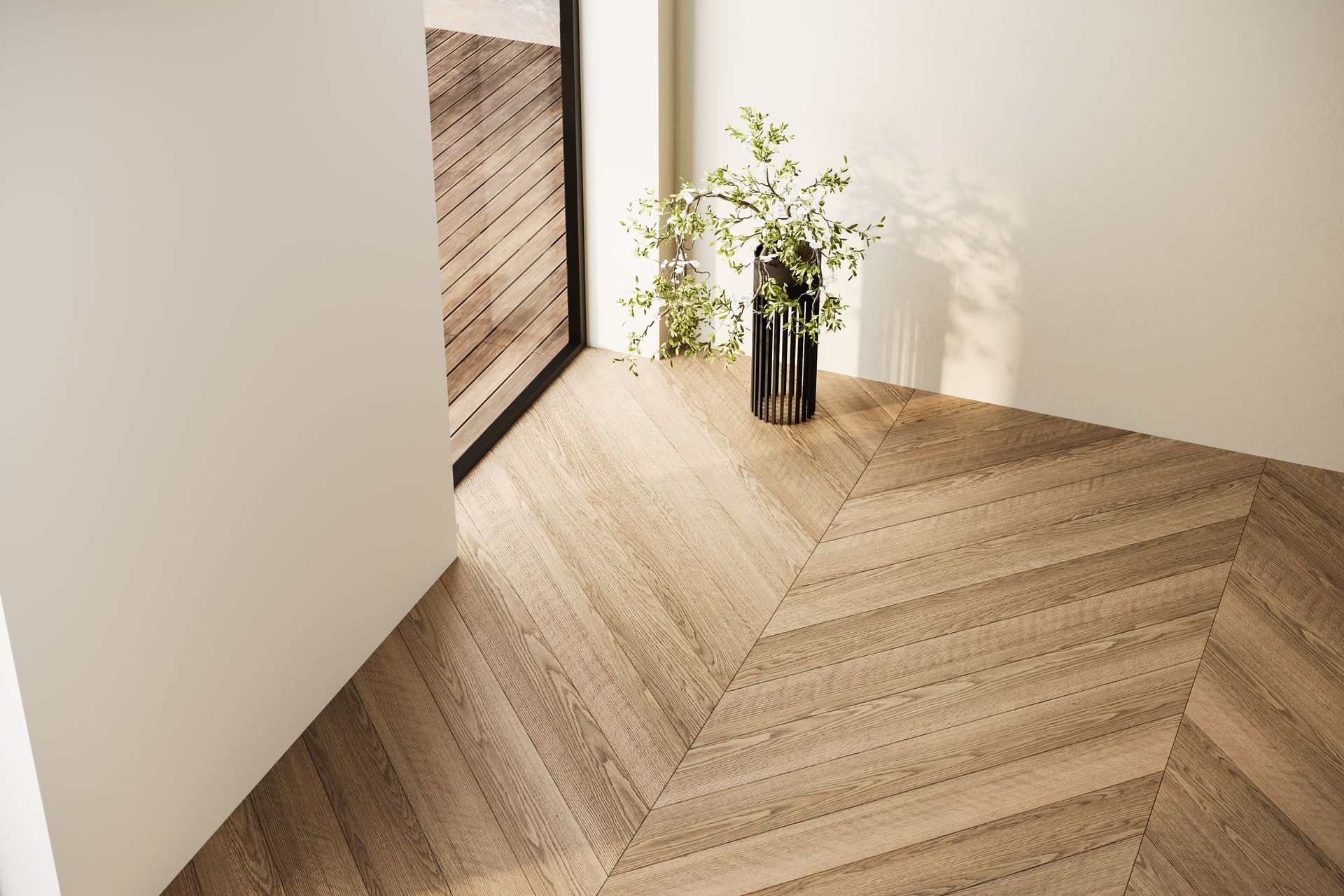
After installation finishes, you walk across floors that remain flat without hollow spots, flex points, or areas where planks feel springy underfoot. Tile grout joints stay intact without hairline cracks radiating from corners, LVP seams remain tight without gaps that collect debris, and hardwood boards sit flush without edges that catch socks or create tripping hazards. Transitions between rooms align at consistent heights so doorways do not require awkward threshold ramps to bridge elevation mismatches.
Flooring installation includes furniture moving if needed, removal and disposal of existing flooring, subfloor inspection and leveling, moisture barrier application when required, material acclimation to site conditions, installation with appropriate adhesives or fasteners, and transition trim at doorways and perimeter edges. Renno-Pro handles material selection guidance based on traffic levels, moisture exposure, and subfloor conditions rather than defaulting to the lowest-cost option that may not suit the application.
Flooring Installation Questions
Homeowners in Copperas Cove and surrounding Central Texas communities often ask about subfloor preparation, material suitability for local soil conditions, and what separates quality flooring installations from fast-turn jobs that fail prematurely.
Why does subfloor preparation matter for flooring installations in Copperas Cove?
Caliche soil and Texas heat cycles cause slab movement that creates uneven subfloors—if levelness tolerances and moisture thresholds are ignored, rigid flooring like tile and LVP cracks at stress points or separates at seams when the substrate shifts beneath the finished material.
What does subfloor leveling involve before flooring goes down?
High spots get ground down, low spots receive self-leveling compound to bring the surface within manufacturer tolerances (typically one-eighth inch variation over ten feet), and moisture levels are tested to confirm the slab has dried enough for adhesive bond without trapping vapor that migrates upward and weakens the installation.
How do I choose between hardwood, LVP, tile, and carpet for my home?
Material selection depends on traffic levels, moisture exposure, subfloor conditions, and maintenance preferences—tile suits high-moisture areas and heavy traffic, LVP offers water resistance with easier installation over imperfect subfloors, hardwood provides durability in dry areas, and carpet adds comfort in bedrooms but requires more frequent replacement in high-traffic zones.
What happens if flooring is installed over an uneven subfloor?
Rigid materials like tile crack at grout joints where unsupported sections flex under load, LVP planks separate at seams or develop hollow spots that feel springy underfoot, and hardwood boards cup or crown when moisture trapped beneath the installation cycles with seasonal humidity changes.
How long does flooring installation take for a typical room?
Duration depends on demolition requirements if old flooring needs removal, subfloor leveling scope, material type and complexity, acclimation time for hardwood or engineered products, and furniture moving logistics—a flooring contractor provides a timeline after evaluating the existing subfloor and planned material.
Renno-Pro installs flooring across Copperas Cove, Killeen, Harker Heights, and the surrounding Central Texas area with a prep-first process that addresses subfloor levelness and moisture before material installation begins. Arrange a consultation to review your subfloor conditions and discuss material options suited for your property.