
Seams That Do Not Reappear Later
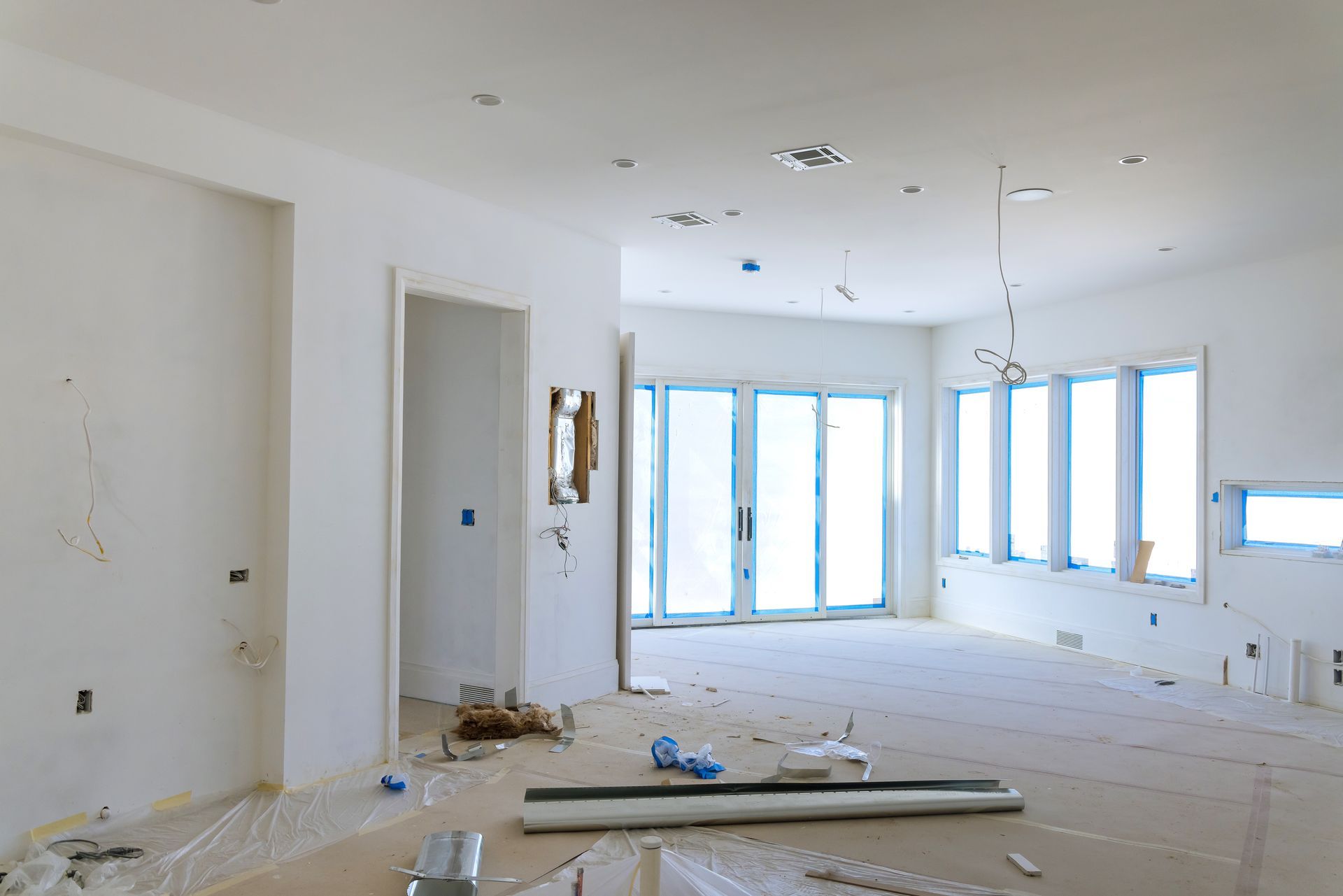
Drywall Installation in Copperas Cove for homes where slab movement creates recurring wall cracks
Slab movement in Central Texas homes creates wall cracks that require proper tape-and-bed repair in Killeen and Harker Heights. Skim coating over a crack is not a permanent fix because the underlying movement will reopen the seam. Renno-Pro handles drywall installation, repair, and finish-level work for renovations and remodels, and the process involves multiple coats of joint compound with sanding between passes to produce a finish that holds up to slab movement rather than cracking again.
New installation and repair both require seams taped with joint compound in multiple coats. Each layer is sanded smooth before the next goes on, which is the step that determines whether seams reappear six months later. When seams are bedded correctly, they flex with minor movement instead of cracking.
Schedule an on-site consultation to assess wall damage and discuss finish levels before work begins.
How Drywall Repair Addresses Slab Movement
Cracks are opened with a utility knife to remove loose material, then taped with paper or mesh tape embedded in joint compound. The first coat fills the gap and bonds the tape. Subsequent coats feather the edges wider so the repair blends invisibly with the surrounding wall. Each coat is sanded before the next is applied, which removes ridges and high spots that would show through paint.
Once the work is finished, you will not see seams or repair lines even under angled light. The surface will feel smooth when you run your hand across it, and paint will not highlight ridges or depressions. Cracks that were repaired with a multi-coat process will not reopen during normal slab movement because the tape and compound layer has enough flexibility to handle minor shifts.
Finish levels vary depending on the final surface treatment. Level 4 finish is standard for walls that will be painted, while Level 5 adds a skim coat for surfaces under critical lighting or high-gloss finishes. The scope is determined during the walkthrough based on how the wall will be used and what lighting conditions it will face.
Common Questions About This Service
Drywall questions often focus on why cracks return and what distinguishes a quality repair from a surface patch.
What causes drywall cracks to reappear after they have been patched?
Slab movement in Central Texas creates stress along seams and corners. If the crack is only filled with compound without tape reinforcement, the movement will reopen the crack. Proper tape-and-bed repair allows the seam to flex slightly without cracking.
How many coats of joint compound are needed for a durable repair?
Most repairs require at least three coats: one to embed the tape, one to build thickness, and one to feather the edges. Each coat is sanded before the next is applied to remove tool marks and create a smooth transition.
When should I replace drywall instead of repairing it?
If the drywall is water-damaged, crumbling, or has extensive cracks covering large areas, replacement is more effective than trying to patch deteriorated material. The decision is made during the site assessment based on the condition of the existing drywall.
Why does sanding between coats matter in drywall finishing?
Sanding removes ridges left by the taping knife and levels high spots. If coats are applied without sanding in between, the buildup creates visible lines and texture that show through paint, especially under angled light in Copperas Cove homes.
What is the difference between drywall finish levels?
Level 4 involves tape, multiple coats, and sanding, which is sufficient for most painted walls. Level 5 adds a skim coat over the entire surface, which is necessary for high-gloss finishes or walls under critical lighting where every imperfection shows.
Renno-Pro applies the multi-coat tape-and-bed process whether the project is
new installation or repair work. Arrange a walkthrough to identify the scope and discuss finish requirements for your project.